

Yo, what's up everyone! I'm a supplier of SDNR valves, and today I wanna talk about one super important topic: What is the humidity resistance of SDNR valves?
First off, let me give you a quick intro to SDNR valves. SDNR valves, also known as Stop - Double Non - Return valves, are crucial in various industrial applications. They're used a lot in systems where you need to control the flow of fluids and prevent backflow. You can find different standards of SDNR valves, like the MSS SP - 85 SDNR Valve and the DIN EN13789 SDNR Valve. These standards ensure that the valves meet certain quality and performance criteria.
Now, onto the main topic: humidity resistance. Humidity can be a real pain in the neck for industrial equipment. When there's high humidity in the environment, it can lead to corrosion, rust, and all sorts of problems that can mess up the functionality of valves.
So, how do SDNR valves hold up against humidity? Well, it all comes down to the materials they're made of and the design. Most of the high - quality SDNR valves are constructed using materials that have good corrosion - resistant properties. For example, stainless steel is a popular choice. Stainless steel contains elements like chromium, which forms a passive oxide layer on the surface of the metal. This layer acts as a barrier, protecting the steel from the effects of moisture in the air and preventing rust from forming.
In addition to the materials, the design of the SDNR valve also plays a big role in its humidity resistance. A well - designed valve has tight seals and proper drainage mechanisms. Tight seals prevent humid air from getting inside the valve and reaching the internal components. Proper drainage, on the other hand, helps to get rid of any water that might accumulate inside the valve, reducing the risk of corrosion.
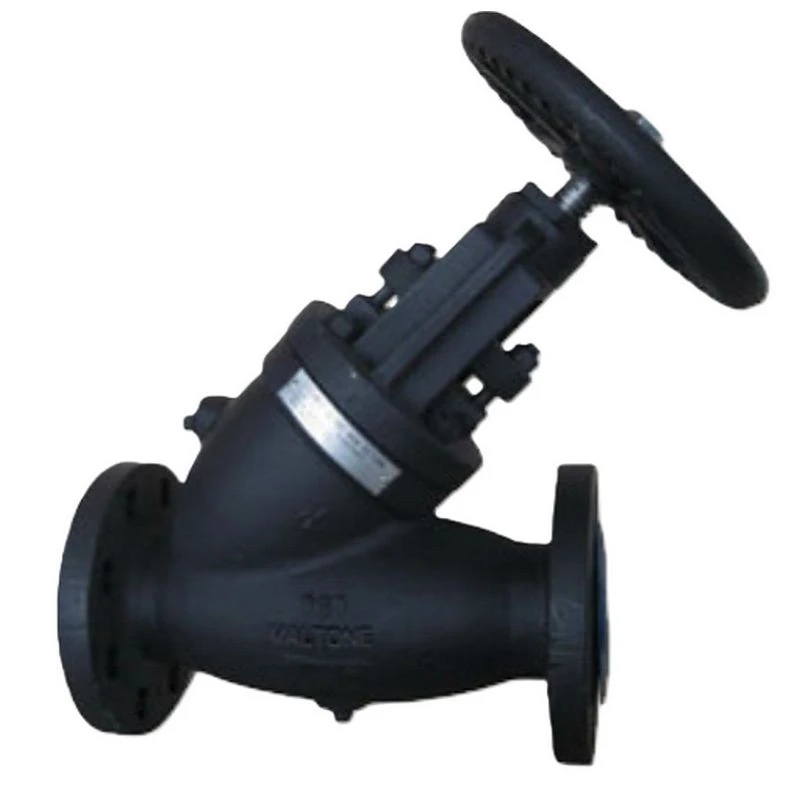
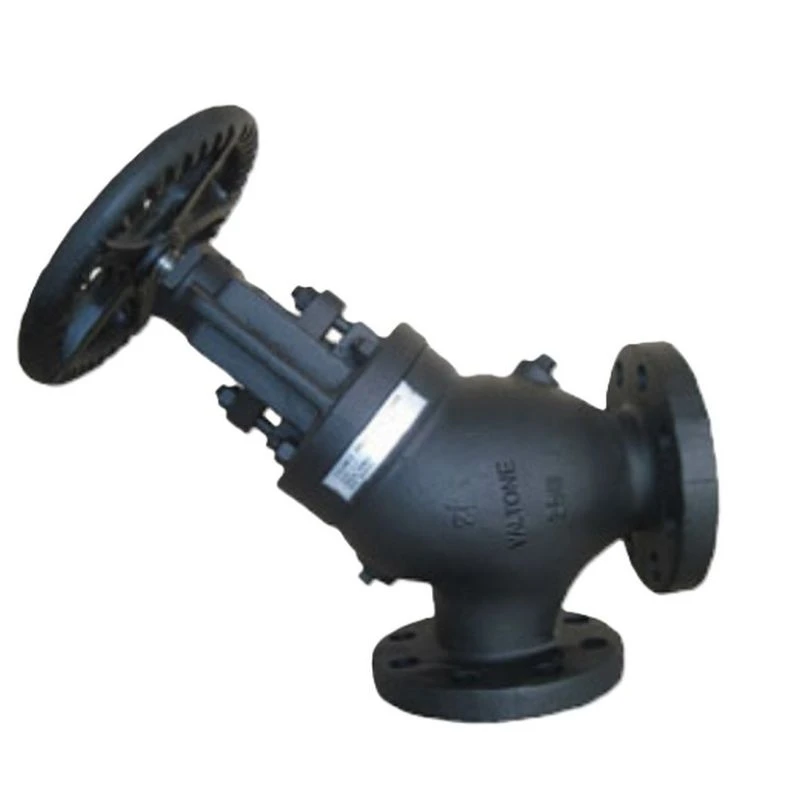
Let's take a look at some specific types of SDNR valves and how they deal with humidity. We have the Straight Way Boiler Stop Check Valve and the Angle Type Boiler Stop Check Valve. These valves are often used in boiler systems, where the environment can be quite humid due to the presence of steam.
The straight - way boiler stop - check valve has a simple and straightforward design. Its streamlined shape allows for easy flow of fluids and also makes it easier to drain any moisture that might get inside. The internal components are usually well - protected by the valve body and the seals, which help to keep the humid air out.
The angle - type boiler stop - check valve, on the other hand, has a more complex design. But this design also offers some advantages when it comes to humidity resistance. The angle shape can help to direct the flow of fluids in a way that reduces the chances of water pooling inside the valve. And like the straight - way valve, it also uses high - quality seals and corrosion - resistant materials.
But it's not just about the materials and design. Maintenance also plays a huge part in ensuring the humidity resistance of SDNR valves. Regular inspections are a must. You gotta check the seals for any signs of wear or damage. If the seals are compromised, humid air can easily get inside the valve and cause problems. You also need to clean the valve regularly to remove any dirt or debris that might trap moisture.
Another important aspect is lubrication. Proper lubrication of the moving parts in the SDNR valve can not only ensure smooth operation but also help to protect against corrosion. The lubricant acts as a barrier, preventing moisture from coming into contact with the metal surfaces.
When it comes to extreme humidity conditions, additional protection measures might be needed. For example, in coastal areas where the air is highly humid and can contain salt particles, which are even more corrosive, some valves might need to be coated with special anti - corrosion paints or finishes. This extra layer of protection can significantly improve the valve's ability to withstand the harsh environment.
So, all in all, the humidity resistance of SDNR valves is a result of a combination of factors. Good materials, smart design, regular maintenance, and, if necessary, additional protection measures. When you choose an SDNR valve, make sure you consider the humidity conditions of the environment where it'll be used.
If you're in the market for high - quality SDNR valves that can stand up to humidity, look no further. We've got a wide range of SDNR valves that are designed and manufactured with humidity resistance in mind. Whether you need a valve for a boiler system, a water treatment plant, or any other industrial application, we've got you covered.
If you're interested in learning more about our products or have any questions regarding SDNR valves and their humidity resistance, don't hesitate to reach out to us. We're always happy to have a chat and discuss your specific needs. Let's work together to find the perfect SDNR valve solution for your project.
References:
- Industry knowledge on valve materials and corrosion
- Expertise in SDNR valve design and manufacturing


